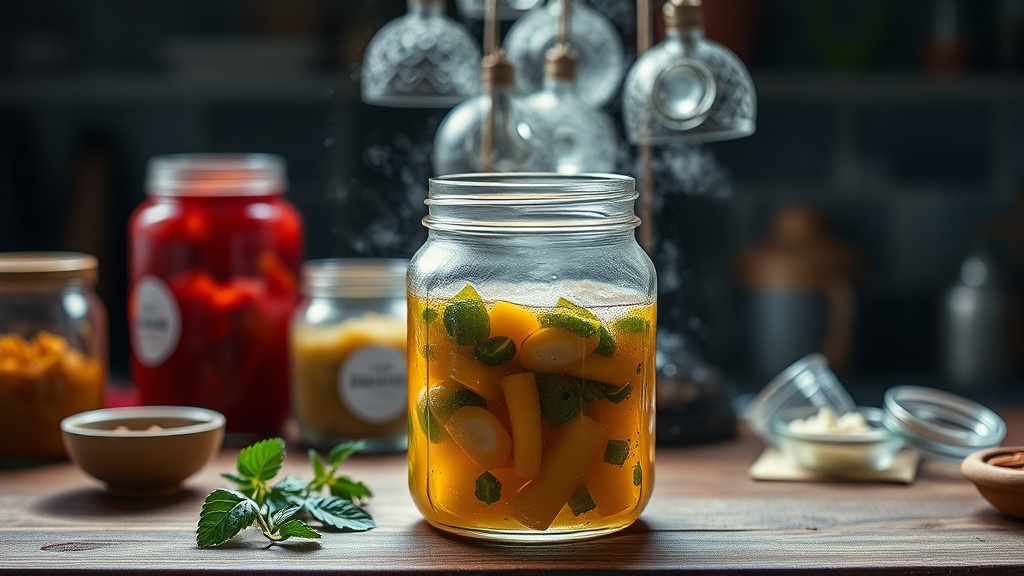
7 Forgotten Fermentation Methods to Level Up Your Kitchen

Lacto-Fermented Vegetable Brines
Traditional Sourdough Starters
Honey-Based Fruit Fermentation
The Magic of Kombucha Scoby
Cultured Dairy and Kefir
Miso and Bean Paste Aging
Wild Yeast Capture Techniques
You’ll learn how to use seven specific fermentation techniques—ranging from lactic acid fermentation to traditional koji methods—to add depth, acidity, and texture to your home cooking. Most home cooks stop at sourdough or basic sauerkraut, but these advanced methods allow you to transform simple ingredients into complex, professional-grade condiments and seasonings.
Fermentation isn't just about making a jar of pickles. It’s a way to manipulate flavor profiles using microbes. If you've mastered the basic brine, it's time to move into more nuanced territory. We’re looking at methods that change the actual structure of food, not just the salt content.
What is Lacto-Fermentation?
Lacto-fermentation is the process of using lactic acid bacteria to preserve food by converting sugars into lactic acid. This method relies on a salt brine or a dry-salting technique to create an environment where beneficial bacteria thrive while spoilage organisms die off.
You've likely seen this in action with a jar of sauerkraut. It’s one of the most reliable ways to preserve seasonal vegetables. When you use a salt concentration of roughly 2% to 3%, you aren't just preserving; you're building a flavor profile that is sharp, tangy, and incredibly versatile.
The Pro Method: Don't just throw cabbage in a jar. Use a weight—a glass weight or even a smaller mason jar—to keep the vegetables completely submerged. If air touches the surface, you're asking for mold. It’s a simple rule, but it’s the one most people break.
How Do You Use Koji to Make Miso?
To make miso, you must inoculate a grain—usually rice, barley, or soybeans—with the fungus Aspergillus oryzae, commonly known as Koji. This process creates a massive amount of enzymatic activity that breaks down proteins and starches into deep, savory umami flavors.
This isn't a weekend project. It's a slow-burn method that requires patience. You start by growing the koji on a grain, then mixing it with salt and a base ingredient (like cooked soybeans) to sit for months or even years.
- White Miso (Shiro): Short fermentation, mild, slightly sweet. Great for dressings.
- Red Miso (Aka): Long fermentation, intense, salty, and savory. Perfect for hearty soups.
- Soy Miso: The classic, balanced version found in most Japanese kitchens.
If you want to try this, I suggest starting with a kit or high-quality grain from a supplier like Koji USA. It’s much easier than trying to cultivate the mold from scratch in a home environment. The texture of the resulting paste is unlike anything you can buy in a standard grocery store aisle.
One thing to watch for: temperature. Koji loves warmth, but if it gets too hot, you'll kill the culture. Keep it steady.
What is the Difference Between Vinegar and Tepache?
Tepache is a fermented beverage made from pineapple skins and sugar, whereas vinegar is the result of a two-stage fermentation process involving both yeast and acetic acid bacteria. While tepache is a refreshing, lightly carbonated drink, vinegar is a highly acidic liquid used for preservation.
Tepache is much easier for beginners. You take the scraps—the parts you'd usually throw in the compost—and add water, piloncillo (or brown sugar), and cinnamon. Let it sit for three days. It’s bubbly, funky, and incredibly refreshing on a hot day in Fredericton.
| Feature | Tepache | Apple Cider Vinegar |
|---|---|---|
| Primary Ingredient | Pineapple Skins/Sugar | Apple Juice/Cider |
| Flavor Profile | Sweet, fizzy, tropical | Sharp, acidic, pungent |
| Fermentation Time | 2–4 Days | Weeks to Months |
The catch? If you leave tepache too long, it turns into vinegar. It’s a fine line between a refreshing soda and a sour liquid. (I've accidentally made both, so don't feel bad if you miss the window.)
How Can You Use Scoby-Based Fermentation for Tea?
Scoby-based fermentation involves using a Symbiotic Culture of Bacteria and Yeast (SCOBY) to transform sweetened tea into a fermented beverage like Kombucha. The SCOBY acts as a living engine, consuming the sugar and producing organic acids and carbonation.
Most people think of Kombucha as a single product, but it's actually a method. You can use a SCOBY to ferment almost any sweetened tea—green, black, or even herbal. The key is the sugar content; the bacteria need that fuel to create the characteristic fizz.
It can get a bit messy. If you aren' a fan of the "vinegary" smell, be warned: a SCOBY is a living, breathing organism that produces a very distinct, pungent aroma. It’s a sign of health, though. If it smells like gym socks, you've gone too far. If it smells like bright, sharp fruit, you're on the right track.
What is Fungal Fermentation in Brines?
Fungal fermentation in brines refers to using specific molds or yeasts to alter the flavor of a liquid-based preserve, often used in making traditional fermented sauces or even certain types of "funky" vinegars. It's a more advanced technique used to bridge the gap between vegetable ferments and liquid condiments.
Think about the difference between a standard salad dressing and a fermented-style dressing. A fermented version has a depth that doesn't rely on just adding vinegar at the end. It's a slow build. You can use leftover brine from a successful vegetable ferment to start a new batch of a specialized sauce. This creates a "mother" culture that evolves over time.
This is how you get that "house-made" taste that makes people ask for your recipe. It’s not a secret ingredient; it’s a timeline.
Can You Ferment Dairy at Home?
Yes, you can ferment dairy using traditional methods to create products like kefir or cultured buttermilk. This involves introducing specific bacteria (like Lactobacillus) to milk to break down lactose into lactic acid, thickening the texture and adding a pleasant tang.
Kefir grains are a great way to start. Unlike yogurt, which is often a single-strain fermentation, kefir grains are a complex community of bacteria and yeasts. This results in a drink that is much more probiotic-rich and has a slightly more complex, effervescent quality than standard yogurt.
A quick tip: Don't use metal spoons when stirring your kefir or active ferments. While the "metal kills bacteria" rule is largely a myth in modern science, many traditionalists swear by using wood or plastic to avoid any potential metallic taste. I tend to stick to wood—it feels more authentic, anyway.
How Do You Make Traditional Garum?
Traditional Garum is made by fermenting fish innards and salt over several months until the proteins break down into a liquid seasoning. It is the ancient Roman method of creating an intensely savory, salty liquid that functions much like a modern-day fish sauce but with much more complexity.
This is the "final boss" of fermentation. It requires a significant amount of time and a very strong stomach for the initial smell. You take fish viscera, add a large amount of salt (to prevent rot), and let it sit in a controlled environment for months. The enzymes in the fish do the heavy lifting, breaking the tissue down into a clear, golden liquid.
It’s a high-effort, high-reward method. A single bottle of well-made garum can season an entire batch of pasta or roasted vegetables. It's not just a condiment; it's an infusion of pure umami. If you have the space and the patience, it's worth the effort to try a small batch first. Just don't do it in your kitchen if you have guests coming over for dinner—the scent is quite something.
If you're ready to dive into these methods, start small. Don't try to make garum and miso in the same week. Pick one, master the temperature and the salt ratios, and then move to the next. The more you experiment, the more you'll realize that fermentation isn't just a way to save food—it's a way to create entirely new flavors from scratch.