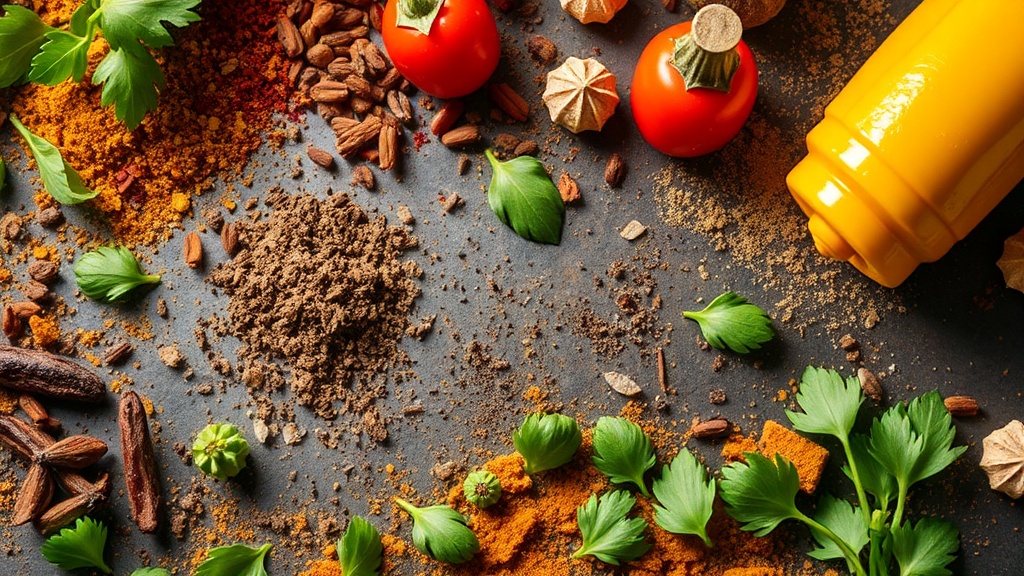
Fresh Isn't Always Better: 7 Herb and Spice Mistakes That Flatten Flavor

Are Dried Herbs Really Less Flavorful Than Fresh?
Most home cooks think fresh herbs are the gold standard while dried herbs are a sad compromise you only use when you're desperate. That's completely backwards—and it might be exactly why your dishes lack the depth you're chasing. Dried herbs and spices are concentrated flavor bombs with completely different chemical profiles than their fresh counterparts. They aren't inferior; they just demand different handling.
The key difference is moisture. Fresh herbs contain water that dilutes their essential oils. When herbs dry, those oils concentrate—meaning dried oregano, thyme, and rosemary actually pack more intense flavor per teaspoon than their fresh equivalents. The trick is knowing when to deploy each. Dried herbs excel in long-cooked dishes like braises, stews, and tomato sauces where they have time to rehydrate and release their oils into the liquid. Fresh herbs shine as finishing touches—think basil chiffonade on pizza or cilantro scattered over tacos. Using fresh basil in a three-hour marinara is a waste; the delicate oils cook off and you're left with sad green flecks. Meanwhile, dried basil added at the end of cooking tastes harsh and one-dimensional. Match the herb to the cooking method and you'll stop fighting your ingredients.
When Should You Add Herbs During Cooking?
Timing separates good cooks from great ones. Add dried herbs too late and they stay gritty and taste raw. Add fresh herbs too early and they turn brown and lose their vibrancy. The rule is simple but often ignored: dried herbs go in early, fresh herbs go in late.
Dried herbs need time to soften and release their fat-soluble flavor compounds into oil or liquid. Adding them at the beginning of cooking—when you're sweating onions or building a sauce—allows this process to happen gradually. You want at least fifteen minutes of simmering for dried herbs to fully integrate. Fresh herbs are the opposite. Their volatile oils (the ones that smell so good when you bruise the leaves) evaporate quickly with heat. Chop your parsley, basil, or mint and stir it in right before serving. For heartier fresh herbs like rosemary or thyme sprigs, you can add them earlier but remember to fish them out before serving—nobody wants to bite into a woody stem. And here's a pro move: use both. Start with dried thyme in your soup base, then finish with fresh thyme leaves for a hit of bright flavor that hits different parts of your tongue.
Why Do My Spices Taste Like Nothing?
That jar of ground cumin sitting in your cabinet since 2019? It's dead. Spices don't spoil like milk—they fade like old photographs. Ground spices lose their potency within six to twelve months as volatile oils oxidize and evaporate. Whole spices last longer—up to two years—because the protective seed coat locks in flavor until you're ready to use it.
The solution isn't buying expensive spices; it's buying less, more often. Skip the bulk section unless you cook that cuisine daily. Instead, buy smaller amounts from sources with high turnover. Check dates if you're buying pre-ground, but honestly—you should be buying whole. A $15 coffee grinder dedicated to spices will change your cooking more than any fancy Dutch oven. Toast whole cumin, coriander, or fennel seeds in a dry skillet until fragrant (about thirty seconds), then grind fresh. The difference between pre-ground cumin and freshly toasted whole cumin is the difference between a photocopy and an oil painting. For more on spice storage and potency, Bon Appétit breaks down the science of keeping your spices vibrant.
Should You Toast Your Spices Every Time?
Not every dish needs toasted spices—but most benefit from it. Toasting—briefly heating whole or ground spices in a dry pan—awakens dormant flavor compounds through a process called pyrolysis. The heat breaks down complex molecules into simpler, more aromatic ones. It's the same reason toasted bread tastes better than plain bread.
The technique is simple: heat a heavy skillet over medium heat, add your spices, and shake the pan constantly for thirty to sixty seconds until you smell them. That's it. Remove them immediately—spices go from toasted to burnt in seconds, and burnt spices taste acrid and bitter. This works for whole spices you're about to grind, but also for pre-ground spices that have been sitting around. Revive sad paprika or cumin by giving it a quick toast before adding liquid. Some spices—like delicate green cardamom—need gentler treatment. Others—hard cassia bark or nutmeg—can handle more aggressive heat. Experiment and pay attention to your nose; it's your best guide here.
What's the Best Way to Bloom Aromatics?
Blooming—cooking spices briefly in hot fat before adding liquid—is a technique used across global cuisines, from Indian tadka to Mexican refrito. Fat is a solvent for the fat-soluble flavor compounds in spices. When you add spices to hot oil, those compounds dissolve and spread throughout the dish rather than staying locked in the spice particles.
Here's where home cooks go wrong: they add spices to cold oil and heat them together, or they add spices to oil that's smoking hot. Both mistakes ruin the flavor. Cold-start spices never fully bloom—the oil heats too slowly and the spices cook unevenly. Screaming-hot oil burns the spices instantly. The sweet spot is medium heat with oil that's shimmering but not smoking. Add your spice blend, stir constantly for thirty seconds until fragrant, then immediately add your liquid or aromatics to stop the cooking. This technique works for curry powders, chili powders, and even dried herb blends. Blooming transforms flat, dusty-tasting spices into something round and complex. Serious Eats has a deep dive into the chemistry behind why blooming matters so much.
How Are You Storing Your Spices Wrong?
That cute rack next to your stove? It's destroying your spices. Heat, light, and air are the enemies of volatile oils. Storing spices above the stove—where temperatures fluctuate and steam rises—accelerates flavor loss by months. Clear glass jars look pretty on a windowsill, but light degrades spices almost as fast as heat does.
Spices want darkness, cool temperatures, and airtight containers. A cabinet away from the oven is ideal. Transfer spices from cardboard boxes to glass jars with tight lids. Label them with purchase dates—not just the names. And please, stop using those novelty spice racks shaped like Ferris wheels or maps of the world. They're usually made from cheap materials that let air in and are nearly impossible to clean properly. Your spices are ingredients, not decoration. Treat them with the same care you give your olive oil or butter and they'll return the favor in flavor.
Are You Grinding Spices Too Early?
Pre-ground spices are convenient but compromised. Once you grind a spice, you expose enormous surface area to oxygen. Oxidation begins immediately—meaning your ground pepper starts losing its bite the moment it hits the grinder at the factory. By the time it reaches your kitchen, it's already middle-aged.
Invest in a decent pepper mill and a dedicated spice grinder (or a mortar and pestle if you enjoy the workout). Grind only what you need, when you need it. Whole spices stay fresh for years; ground spices fade in months. This applies to nutmeg, cinnamon, cloves, and especially pepper. Freshly ground black pepper has a brightness and heat that pre-ground pepper lacks entirely—it's a different ingredient. For baking, where measurements need to be precise, you can grind small batches and store them in airtight containers for up to a month. But for savory cooking? Grind fresh every time. The thirty seconds it takes pays dividends in flavor that no amount of technique can compensate for if you're using stale spices. For practical guidance on building a functional spice collection, The Kitchn offers storage strategies that actually work in real kitchens.
Your spice cabinet is the foundation of flavorful cooking—not an afterthought. Treat dried herbs and spices as active ingredients that require technique, timing, and respect rather than dusty afterthoughts you sprinkle on at the end. Start buying whole, toasting before grinding, and blooming in fat. The difference will hit you immediately—like finally cleaning a smudged window and seeing the view clearly for the first time.