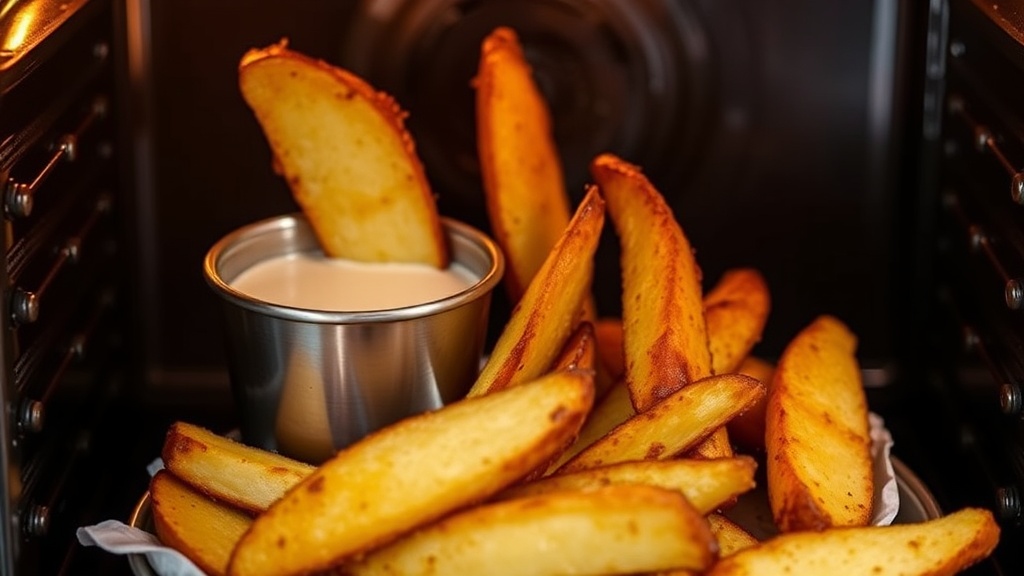
How to Make Crispy Oven-Baked Potato Wedges That Beat Any Fryer

Why Are My Potato Wedges Soggy Instead of Crispy?
Soggy wedges come from excess moisture and overcrowding. The solution lies in proper drying, high heat, and giving each wedge enough breathing room on the baking sheet.
Everyone's been there. You pull a tray of potato wedges from the oven expecting golden, crunchy perfection—only to find limp, pale potatoes that steam rather than crisp. Here's the thing: the oven can absolutely match (and sometimes beat) a deep fryer when it comes to wedge texture. The method just requires understanding how moisture, starch, and heat interact.
Oven-baked wedges offer advantages that deep frying simply can't touch. No vats of hot oil to dispose of. No splatter burns on the backsplash. And the calorie difference? Significant. A batch of properly baked wedges contains roughly 60% less fat than their fried counterparts. The trade-off isn't flavor or texture—it's technique.
What Kind of Potatoes Work Best for Crispy Oven Wedges?
Russet potatoes create the crispiest oven-baked wedges due to their high starch content and low moisture. Yukon Golds offer a decent alternative with slightly creamier centers.
Not all potatoes are created equal. Starch content determines how a wedge behaves in the oven—high-starch varieties develop that coveted crispy exterior while maintaining a fluffy interior. Russets (also called Idaho potatoes) sit at the top of the heap for this application.
| Potato Variety | Starch Level | Best For | Texture Result |
|---|---|---|---|
| Russet/Idaho | High | Crispy wedges, fries | Crunchy outside, fluffy inside |
| Yukon Gold | Medium | Roasted wedges | Crispy edges, creamy center |
| Red Potato | Low | Boiled, salads | Waxy, doesn't crisp well |
| Fingerling | Low-Medium | Roasting whole | Tender skin, dense interior |
Yukon Golds bring a buttery flavor that some prefer, though the exterior won't get quite as shatteringly crisp. Red potatoes and other waxy varieties should be avoided for wedge recipes—their low starch content means they'll never develop that satisfying crunch no matter how long they bake.
When shopping, look for potatoes without green spots, sprouts, or soft patches. Green skin indicates solanine buildup—a natural toxin that develops when potatoes are exposed to light. The catch? A little green won't hurt, but heavy greening means bitter flavor and potential stomach upset. Stick to firm, smooth-skinned specimens roughly the size of a softball.
How Do You Cut Potatoes Into Perfect Wedges?
Cut the potato in half lengthwise, place the flat side down, then cut each half into 4-6 even wedges depending on potato size. Consistent thickness—about ¾ inch at the widest part—ensures even cooking.
Uniformity matters more than perfect geometry. Wedges that vary in thickness cook unevenly, leaving you with some burnt tips and some raw centers. Here's a reliable method:
- Scrub the potatoes under cold running water. No need to peel— the skin adds texture and nutrients.
- Slice the potato in half lengthwise, creating two stable flat surfaces.
- Place one half cut-side down on the cutting board.
- Cut from the center outward at roughly 45-degree angles. For large russets, aim for 3 cuts per half (yielding 4 wedges). Medium potatoes work best with 2 cuts per half (3 wedges).
- Inspect your pile. Any wedges significantly thicker than others? Split them lengthwise.
A sharp chef's knife makes this work cleaner and safer. Dull blades slip, crush the potato flesh, and create jagged edges that burn easily. The Wüsthof Classic 8-inch Chef's Knife handles this task with precision, though any well-maintained blade will suffice.
Worth noting: soaking cut wedges in cold water isn't optional if maximum crispiness is the goal. This step removes surface starch that would otherwise glue the wedges together and create gummy exteriors. Submerge the cut potatoes for at least 30 minutes—up to 2 hours won't hurt. Change the water if it turns cloudy.
What's the Secret to Getting Potato Wedges Crispy in the Oven?
The secret is removing moisture through soaking and thorough drying, coating with oil and starch, and baking at 425°F on a preheated, oiled baking sheet.
Moisture is the enemy of crispiness. Every drop of water on that potato surface must evaporate before browning can begin. Professional kitchens use salad spinners for this—seriously. For home cooks, a clean kitchen towel works fine. Pat each wedge aggressively until the surface feels matte rather than slick.
The coating strategy separates decent wedges from legendary ones. Toss the dried wedges with:
- 2 tablespoons cornstarch or arrowroot powder per 2 pounds of potatoes (this creates a starchy crust that crisps beautifully)
- 2-3 tablespoons neutral oil with a high smoke point—avocado oil or refined light olive oil work well
- Salt and seasonings (add dried herbs and spices now; save fresh herbs for after baking)
The cornstarch trick comes from Chinese cooking techniques used for crispy restaurant-style stir-fries. It absorbs residual moisture and creates a thin, crackly shell without the heaviness of batter. Don't skip it.
Preheat the baking sheet. This step—often ignored in home kitchens—makes an enormous difference. Place the empty sheet pan in the oven while it heats to 425°F. When the potatoes hit that hot metal, they start sizzling immediately rather than slowly warming and steaming in their own juices. Use a heavy-duty aluminum half-sheet pan like those from Nordic Ware; thin pans warp and create hot spots that burn some wedges while undercooking others.
The Baking Process
Spread the coated wedges in a single layer with space between each piece. Crowding creates a steam bath. The wedges should sizzle when they contact the hot pan—if they don't, the pan wasn't hot enough.
Bake for 20 minutes. Flip each wedge individually (tongs work best). Return to the oven for another 15-20 minutes until deeply golden and crisp. The edges should look almost fried, with bubbled, browned spots. Undercooked wedges look pale yellow; properly cooked ones range from deep amber to chestnut brown at the thinnest edges.
That said, ovens vary. A convection setting (fan-assisted) reduces total baking time by roughly 25% and promotes even browning. If using convection, set the temperature to 400°F instead of 425°F and check early. Rotate the pan halfway through regardless of oven type.
Which Seasonings and Dips Pair Best With Potato Wedges?
Classic choices include garlic powder, smoked paprika, and rosemary; for dips, garlic aioli, chipotle mayo, and buttermilk ranch lead the pack.
The seasoning approach depends on timing. Dried spices applied before baking bloom in the hot oil, becoming fragrant and toasty. Fresh herbs—parsley, cilantro, chives—turn bitter and brown when subjected to high heat. Add those immediately after the wedges come out of the oven.
Flavor combinations that consistently work:
- Southwest: Chili powder, cumin, garlic powder, and a pinch of cayenne. Serve with lime crema or chipotle mayonnaise.
- Garlic Herb: Dried rosemary, thyme, granulated garlic, and black pepper. A garlic aioli (homemade or quality store-bought like Sir Kensington's) completes the picture.
- Spicy Buffalo: Cayenne, paprika, and garlic powder tossed before baking; toss again with Frank's RedHot straight from the oven. Blue cheese dressing on the side.
- Lemon Pepper: Lemon zest (added after baking), cracked black pepper, and sea salt. Bright and addictive.
- Loaded: Cheddar cheese, bacon bits, and scallions added in the final 3 minutes of baking. Top with sour cream.
Homemade dips beat bottled alternatives by miles. A simple garlic aioli requires just mayonnaise, minced garlic, lemon juice, and salt. For something lighter, Greek yogurt mixed with ranch seasoning and a splash of buttermilk offers tang without heaviness.
Common Mistakes to Avoid
Even experienced home cooks stumble on these points:
- Skipping the soak: That surface starch creates glue. Soak. Dry. Then coat.
- Insufficient oil: Wedges need fat to conduct heat and brown. Two tablespoons per two pounds is the minimum; three is better. Don't use cooking spray—it evaporates too quickly and contains additives that can gum up in high heat.
- Wrong oil choice: Extra virgin olive oil has a low smoke point and burns at 425°F, creating acrid flavors. Use light olive oil, avocado oil, or refined peanut oil instead.
- Overcrowding the pan: If wedges touch, they steam. Use two pans if needed, rotating their positions halfway through baking.
- Flipping too early: Those first 20 minutes create the crust. Disturbing wedges before they've set causes sticking and tearing.
- Under-seasoning: Potatoes need salt. Season before baking, then taste and adjust immediately after.
Can You Reheat Leftover Potato Wedges and Keep Them Crispy?
Leftover wedges reheat best in a 400°F oven or air fryer for 5-8 minutes; the microwave ruins the texture completely.
Storage affects reheat success. Refrigerate cooled wedges in a single layer on a plate covered loosely with foil—not in an airtight container. Trapped steam softens the crust within hours. They'll keep for 3 days, though day two offers the best texture.
To reheat, spread wedges on a baking sheet and bake at 400°F until hot and re-crisped—about 8 minutes. An air fryer set to 375°F works faster (5-6 minutes) and produces excellent results. Shake the basket halfway through.
The microwave? It steams the interior and turns the exterior rubbery. Only use this method if crispy texture isn't a priority.
Frozen baked wedges—par-cooked then frozen on a sheet pan before bagging—reheat from frozen at 425°F for 15-18 minutes. This make-ahead strategy works well for meal prep, though they won't match the just-baked version.
Equipment Recommendations
Quality tools make this recipe easier and more consistent:
- Baking sheets: Heavy-gauge aluminum half-sheet pans (18x13 inches) from Nordic Ware or Vollrath. Avoid non-stick coatings; they limit browning.
- Cooling racks: Elevating wedges on a wire rack placed inside the baking sheet allows air circulation underneath, eliminating the need to flip. Look for oven-safe racks that fit your pans.
- Tongs: A good pair of locking tongs (OXO Good Grips 12-inch) makes flipping painless.
- Salad spinner: For serious wedge enthusiasts, spinning soaked potatoes dry beats towel-patting by miles.
Crispy oven-baked potato wedges aren't complicated. They demand attention to moisture, respect for heat, and patience during the soak. The reward? Golden, crunchy exteriors giving way to fluffy centers—no deep fryer required, no oil disposal headache, and significantly lighter than the alternative. Serve them alongside burgers, grilled chicken, or straight from the tray with a cold beer on a Tuesday night. Sometimes simple done right beats fancy every time.
Steps
- 1
Choose and cut your potatoes into even wedges
- 2
Soak and dry for maximum crispiness
- 3
Season and bake at the right temperature