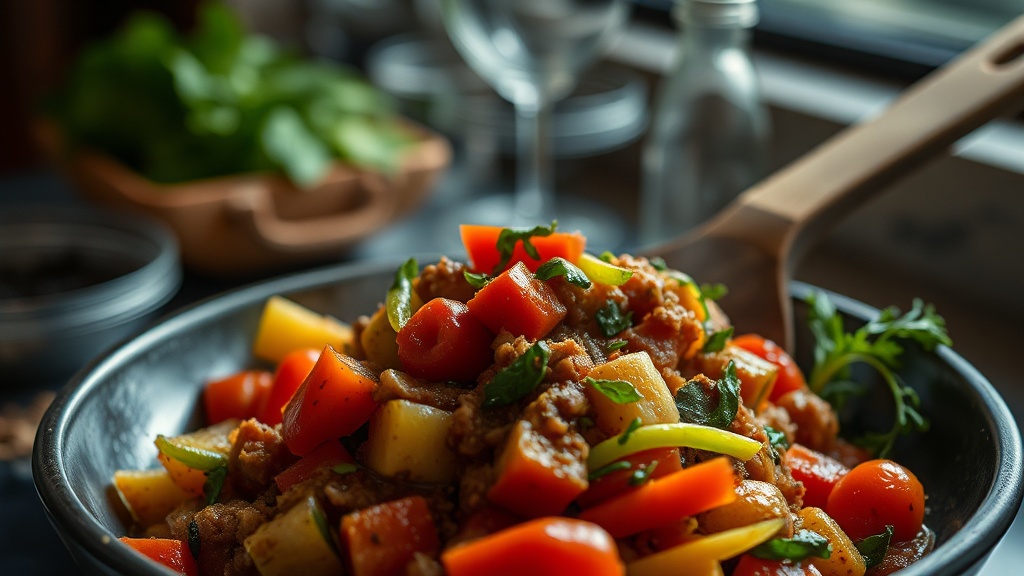
Stop Overcooking Your Vegetables into Mush

The Fallacy of Soft Vegetables
Most home cooks operate under the assumption that cooking a vegetable until it is soft is the only way to make it edible. They steam broccoli until it's a lifeless green sludge or boil carrots until they lose all structural integrity. This isn't actually cooking; it's destruction. When you overcook vegetables, you aren't just ruining the texture—you're stripping away the volatile compounds and natural sugars that make them taste good in the first place. A properly cooked vegetable should retain a hint of resistance, a concept often called 'al dente' in the pasta world, but just as relevant for a green bean or a slice of zucchini.
The real issue often stems from a misunderstanding of heat-induced cell breakdown. Vegetables contain pectin, a substance in the cell walls that provides structure. As heat is applied, pectin breaks down. If you push this process too far, you end up with a texture that feels mushy or mealy. To get better results, you need to understand that heat is a tool for texture, not just a way to make things soft. Whether you're roasting, sautéing, or steaming, the goal is to reach a point where the vegetable is cooked through but still holds its shape.
Why Do My Vegetables Always Turn Out Mushy?
If you find your vegetables are consistently too soft, you're likely ignoring two main culprits: heat intensity and moisture. If you cook vegetables on low heat for a long time, they end up sitting in their own juices, which essentially boils them. This is why many people struggle with sautéed greens; if the pan isn't hot enough, the greens wilt and steam rather than searing. A high-heat sear locks in the structure while adding a layer of flavor through the Maillard reaction (that delicious browning we all love).
Another reason for mushy vegetables is the use of too much water. If you're boiling vegetables, you're essentially drowning the cellular structure. Instead of boiling, try steaming or roasting. Roasting, in particular, uses dry heat to evaporate moisture from the surface, which creates a crisp exterior while the inside stays tender. If you want to see a scientific breakdown of how heat affects plant cells, the Scientific American offers great insights into the biological changes occurring in your pan.
Let's look at a quick comparison of cooking methods and their typical texture outcomes:
| Method | Typical Texture | Best For |
|---|---|---|
| Steaming | Tender and bright | Broccoli, Green Beans |
| Roasting | Crispy edges, tender center | Root Vegetables, Cauliflower |
| Sautéing | Slightly charred, snappy | Leafy Greens, Zucchini |
| Boiling | Soft and water-logged | Potatoes (for mashing) |
Can I Cook Vegetables Faster Without Losing Flavor?
The answer is yes, but you have to stop relying on brute force. Many people think a longer cooking time equals better flavor, but with vegetables, it's often the opposite. If you want to speed up the process, focus on cutting your vegetables into uniform sizes. If half your carrots are thick and the other half are thin, the thin ones will be mush by the time the thick ones are even edible. Uniformity is your best friend in the kitchen.
Also, consider the order of operations. If you're making a stir-fry, don't throw everything in at once. Harder vegetables like carrots or bell peppers need more time in the pan than delicate leaves like spinach. Start with the densest items, let them get a head start, and add the softer ones toward the end. This ensures that every component of your dish hits the plate at its peak texture. For more advanced techniques on heat management, checking out Serious Eats is a great way to refine your approach to temperature and timing.
Don't forget the role of salt. Adding salt too early in the cooking process can draw moisture out of the vegetable, leading to a soggy texture. While salt is necessary for flavor, adding it toward the end of the cooking process helps preserve the vegetable's structural integrity. This is especially true for high-moisture vegetables like mushrooms or eggplant, which can easily become a watery mess if salted too soon.
How Do I Know When Vegetables Are Actually Done?
Relying on a timer is a dangerous game. Every stove, every pan, and every vegetable is different. A single head of broccoli from a local farm will cook differently than a bag of pre-cut broccoli from the grocery store. Instead of a timer, use your senses. Use a knife or a fork to test the resistance. A well-cooked piece of asparagus should have a slight 'snap' when you bite it, rather than a yielding, mushy sensation. This is the hallmark of a successful cook.
You should also watch the color. Vegetables often undergo a color change as they cook. Green vegetables can turn a dull, olive drab color if they are overcooked. You want them to stay a vibrant, bright green. If they start looking dull, pull them off the heat immediately. The residual heat from the pan will continue to cook them slightly even after they've been moved to a plate or a bowl. This 'carryover cooking' is a concept many people overlook, and it's often the reason why vegetables end up overdone by the time they reach the table.
Experimenting with different heat levels is part of the learning process. Don't be afraid to fail. If you find yourself with a pile of mushy Brussels sprouts, don't throw the whole meal away. Try adding a bit of acid (like lemon juice or vinegar) or some crunchy toasted nuts to add texture back into the dish. It’s a way to save a meal and learn for next time. Cooking is about more than just following a recipe; it's about understanding the relationship between heat, time, and texture.