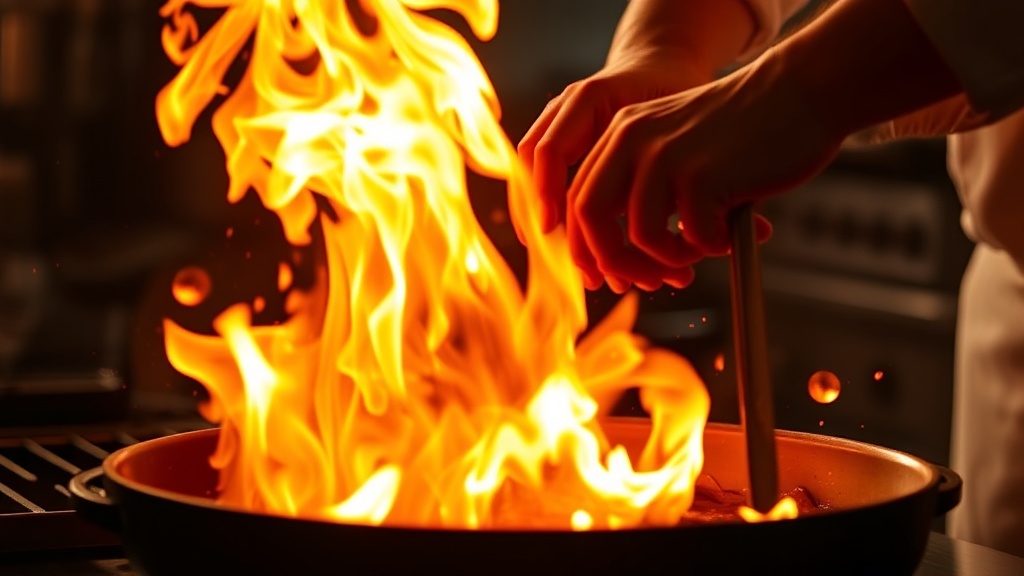
The Secret to a Perfect Golden Sear Every Time

Quick Tip
Patting protein completely dry with a paper towel before searing is the single most important step for achieving a golden, flavorful crust.
This quick guide breaks down the science behind a perfect golden sear — that caramelized, flavour-packed crust on steaks, pork chops, and salmon — and why it transforms home-cooked meals from grey and bland to restaurant-quality. You'll learn the exact pan temperature, the best fats to use, and the one mistake (patience, or lack of it) that ruins dinner faster than anything else. Once these fundamentals click, you'll never settle for steamed-looking protein again.
Why Won't My Meat Sear Properly?
Moisture is almost always the culprit — wet protein steams instead of browning. Here's the thing: even a quick paper-towel pat-down sometimes isn't enough if the cut has been sitting in supermarket packaging for days. Let it sit uncovered on a wire rack in the fridge for at least an hour before cooking. The dry surface hits the hot metal and — snap — the Maillard reaction begins. Salt the cut early, and it'll draw out even more surface water while seasoning deep into the fibres. Don't crowd the pan, either. Too many pieces at once drops the temperature and traps steam.
What Oil Should You Use for High-Heat Searing?
You want an oil with a high smoke point, which means refined avocado oil (around 520°F) or ghee. That said, extra-virgin olive oil isn't your friend here — it'll burn before the pan is hot enough and leave a bitter, acrid taste. For beef seared in a cast-iron skillet, a thin layer of avocado oil or refined peanut oil gives you room to heat the pan until it's just smoking. Butter can go in at the end for flavour, but only after the sear is set.
Does Cast Iron Really Make a Difference?
Yes — cast iron retains and distributes heat better than most non-stick alternatives. The catch? It takes longer to preheat properly, and a cold centre means uneven browning. The Weber Spirit II E-310 grill also handles searing beautifully if you'd rather cook outdoors in warmer months. For stovetop work, the Lodge 12-inch Pre-Seasoned Skillet is a solid, honest choice that doesn't cost a fortune and outlasts three non-stick pans. Fredericton's farmers' market vendors swear by them.
| Surface | Best For | Heat Retention |
|---|---|---|
| Lodge Cast-Iron Skillet | Stovetop steaks, pork chops | Excellent |
| Weber Spirit II E-310 | Outdoor grilling, thick cuts | Very Good |
| Stainless Steel Pan | Fish, pan sauces | Good |
| Non-Stick Pan | Eggs, delicate items | Poor |
Should You Flip Meat Constantly While Searing?
No — leave it alone. Constant flipping drops the pan temperature and prevents that golden crust from forming. For a one-inch steak, let it sit undisturbed for two to three minutes per side. Worth noting: a quick thermometer check with the ThermoWorks Thermapen ONE (reads in one second) tells you exactly when you've hit medium-rare without slicing into the cut and losing juices. A final tip — let the steak rest for five minutes after it leaves the heat so the juices redistribute instead of running all over the cutting board. Resting isn't optional if you want juicy results.
A perfect sear isn't about secret tricks. It's dry meat, a screaming-hot pan, and the discipline to wait. Master those three things, and weeknight dinners in Fredericton — or wherever you're cooking — will never look the same.