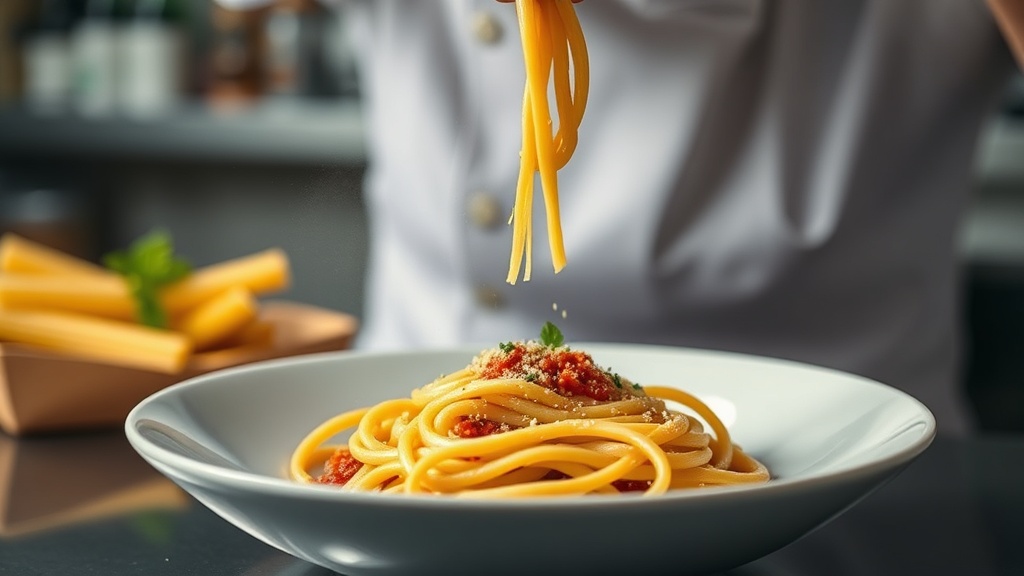
Why Won't Your Sauce Stick to Your Pasta? The Starchy Water Secret Restaurants Depend On

Why Does My Sauce Slide Right Off the Noodles?
You drain your pasta completely. You ladle sauce over the top. You take a bite—and there's nothing but naked noodle underneath. The sauce sits in a pool at the bottom of your bowl, refusing to cling. Meanwhile, at your favorite Italian spot, every strand wears its sauce like a coat. What's the difference?
It isn't the brand of pasta. It isn't some expensive imported olive oil. It's the water you just poured down the drain.
That cloudy, starchy liquid left after boiling pasta is liquid gold—packed with dissolved starch that acts as both thickener and emulsifier. Restaurant cooks save cups of it. Most home cooks treat it like waste. Understanding how to use pasta water transforms everything from simple aglio e olio to complex ragùs. Here's what you need to know.
What Exactly Is Pasta Water Doing in Your Sauce?
Starch molecules released from pasta during cooking don't just disappear—they hang suspended in the boiling water. When you add this starchy liquid to fat-based sauces (think butter, olive oil, or rendered pancetta), something remarkable happens.
The starch molecules wedge themselves between oil and water molecules, preventing separation. Without an emulsifier, fat and water repel each other like magnets flipped the wrong way. With starch, they bind into a silky, cohesive sauce that actually grips pasta instead of sliding off.
This isn't fancy technique—it's chemistry anyone can harness. The starch also thickens without the pastiness of flour or cornstarch. You're essentially creating a light coating sauce rather than a heavy dressing.
Professional kitchens never drain pasta completely. Ever. They transfer noodles directly from pot to pan with tongs, dripping with that precious cooking liquid. The pasta finishes cooking in the sauce, absorbing flavor while the starch marries everything together.
How Much Pasta Water Should You Actually Save?
Before you drain anything, scoop out at least one cup of cooking water—two if you're feeding a crowd. Don't wait until the pot's empty. That murky, greyish water is exactly what you want.
Here's the thing: you can always add more water to a sauce, but you can't put it back once it's gone down the sink. Start conservative—add a quarter cup to your sauce and toss vigorously over medium heat. Watch how the texture changes. The sauce should transform from oily and separated to glossy and unified within thirty seconds.
Different shapes hold different amounts of starch. Long pasta like spaghetti and linguine releases plenty. Short, tubular shapes like rigatoni or penne trap more starch inside their hollow centers—meaning the water might be slightly less starchy, but the pasta itself carries more coating potential.
Fresh pasta behaves differently too. It releases less starch into the water because it cooks so quickly. With fresh pasta, you might need to work faster or add a small pat of butter along with your saved water to achieve the same emulsification.
The Technique That Changes Everything
Don't just dump pasta water into your sauce and hope. There's a method.
Cook your pasta until just shy of al dente—usually two minutes less than package directions. While it boils, prepare your sauce in a large skillet or sauté pan (bigger than you think you need). When the pasta's ready, don't touch that colander.
Transfer the pasta directly into the pan with tongs or a spider strainer. Let it carry that starchy water with it. The pasta should land in the pan wet—dripping is good. Now toss. Keep tossing over medium heat. Add more pasta water by the ladleful if things look dry. The sauce should bubble gently, reducing slightly while coating every strand.
This finishing stage—called mantecatura in Italian—is where magic happens. The pasta absorbs sauce while the starch creates that restaurant-quality cling. Finish with cheese, fresh herbs, or a final drizzle of good oil off the heat.
Which Sauces Benefit Most From Starchy Water?
Oil-based sauces transform completely with pasta water. Aglio e olio—garlic and oil—goes from greasy and harsh to silky and aromatic. Serious Eats breaks down the science of why emulsification matters so much here.
Butter-based sauces cling beautifully when thinned slightly with starchy water. That rigid pat of butter melting over noodles? Replace it with butter emulsified into hot pasta water with plenty of black pepper, and you've got cacio e pepe that actually works.
Even heavy ragùs and meat sauces improve. The water loosens thick sauce just enough to coat evenly without making anything soupy. Tomato sauces especially benefit—that acidity needs mellowing, and starch rounds out harsh edges without adding sugar or cream.
Cream sauces are trickier. Heavy cream already contains emulsifiers and fat, so additional starch can make things gummy. With cream sauces, use pasta water sparingly—just enough to thin if the sauce gets too thick, not as a primary emulsifier.
What If I've Already Drained My Pasta?
We've all done it—zoned out, dumped the pot, realized too late. Don't panic. You have options.
Mix a teaspoon of cornstarch or flour with cold water until smooth, then whisk into your sauce. It won't taste exactly the same—there's a slight pastiness flour can't shake—but it'll bind. Better yet, if you have any leftover cooked pasta in the fridge, boil it in water for two minutes and use that starchy liquid.
Another workaround: reserve some of your sauce before adding pasta, then thin that reserved portion with regular water or stock. It won't emulsify as beautifully, but it'll coat better than thick sauce alone.
The real solution? Change your workflow. Put a liquid measuring cup by the stove before you start boiling water. Make saving pasta water a non-negotiable step—like salting the pot or setting a timer. Within a few meals, it'll become automatic.
Why Does Salting Matter for Starch Release?
Properly salted water doesn't just season pasta—it affects starch behavior. Unsalted water causes pasta to release starch differently (and not in a good way). The surface gets gummy while the interior stays undercooked.
Your pasta water should taste like the sea—about 1-2 tablespoons of salt per gallon. This seasons the pasta from the inside out and helps starch release evenly. Bon Appétit explains the salting ratio in detail.
That said, pasta water is salty. Very salty. When you add it to sauces, you're adding seasoning too. Taste before adding additional salt to your finished dish. Many home cooks oversauce because they don't account for the salt already present in their emulsifying liquid.
Common Mistakes to Avoid
Rinsing cooked pasta destroys everything. That surface starch you're washing away? That's your emulsifier. Rinsing is only acceptable for cold pasta salads—and even then, toss immediately with oil to prevent sticking.
Using too little water concentrates starch excessively, making pasta gummy before it even hits the sauce. Use plenty of water—four to six quarts per pound of pasta. The pasta needs room to move.
Adding oil to boiling water is another myth that needs dying. It does nothing to prevent sticking (stirring does that) and coats pasta with fat, preventing sauce absorption later. Skip it entirely.
Can You Save Pasta Water for Later?
Absolutely. That cloudy liquid keeps in the refrigerator for 3-4 days. Freeze it in ice cube trays and transfer to bags for longer storage. Pop a cube into pan sauces, soups, or gravies whenever you need thickening power without flour.
Some cooks save pasta water specifically for bread baking. The starch feeds yeast and creates better crust structure. Others use it to loosen risotto or thin bean soups. Once you start collecting it, you'll find dozens of uses.
The key is thinking of pasta water not as waste but as an ingredient. It costs nothing and elevates everything it touches. The Kitchn offers additional clever uses for this kitchen secret weapon.
Next time you boil pasta, watch that cloudy water with new eyes. That starch—that simple carbohydrate released during cooking—is the bridge between good home cooking and restaurant-quality results. Save it. Use it. Taste the difference.