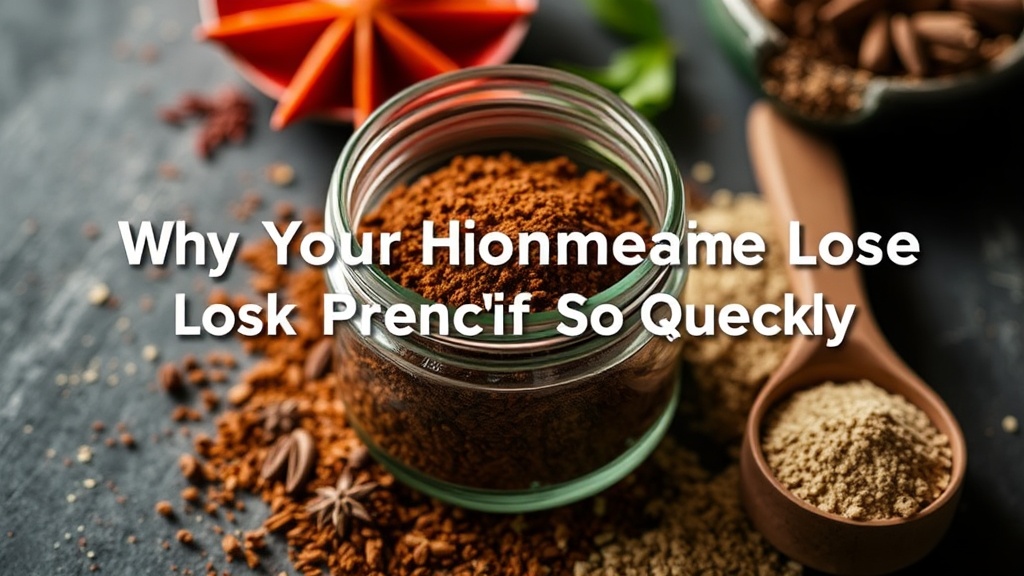
Why Your Homemade Spices Lose Their Punch So Quickly

Nearly 40% of the aromatic compounds in dried spices degrade within six months of being opened. Most people treat a spice rack like a permanent fixture, but it's actually a ticking clock of diminishing returns. When you use stale, dusty cumin or a lackluster cinnamon, you aren't just cooking a bland meal—you're essentially adding flavorless grit to your food. This post covers why your spices lose their kick and how to keep your pantry from becoming a graveyard of dead aromatics.
Why Do My Spices Smell Like Nothing?
The most common culprit isn't just age; it's light and heat. If you keep your spice jars on a shelf right above your stove, you're subjecting them to a constant cycle of thermal stress. Heat breaks down the volatile oils that give spices their character. Those oils are the soul of the spice; once they evaporate or oxidize, you're left with nothing but dried plant matter.
Light is another silent killer. UV rays can degrade the chemical structure of spices—think of it like how sunlight fades a piece of clothing. This is why many high-end spice blends come in dark glass or opaque tins. If you're using clear glass jars sitting under bright kitchen lights, your spices are losing their battle before they even hit the pan. You can check the potency of your spices through a simple scent test: if you can't smell the spice after rubbing a small amount between your palms, it's time to toss it.
Does It Actually Matter If I Use Old Spices?
It matters more than you think. In many recipes, spices aren't just accents; they are the foundation. If you're making a curry or a dry rub for brisket, the spice is the primary driver of the flavor profile. Using old spices means you'll have to use twice the amount to get the same result, which can actually throw off the balance of a dish by adding too much of the "filler" texture without the intended aroma.
A common mistake is thinking that if a spice looks colorful, it's still good. Color is a visual cue, but it isn't a guarantee of flavor. A bright red paprika might look great, but if it has been sitting in a warm pantry for two years, it'll taste more like dust than smoked pepper. For more detailed information on spice volatility, the USDA food safety guidelines often discuss the shelf life and storage of various dry goods.
Ways to Keep Spices Fresh Longer
If you want to stop wasting money on spices that go stale, you need to change your storage habits. It isn't just about putting them in a cupboard; it's about where that cupboard is located. Here are a few practical ways to extend the life of your collection:
- Avoid the Heat: Keep spices in a cool, dark cupboard away from the oven, dishwasher, or toaster.
- Use Airtight Containers: If you buy spices in bulk, move them into high-quality glass jars with tight-fitting lids. Plastic containers are often too porous and let air leak in.
- Buy Smaller Quantities: Don't buy a massive tub of cinnamon if you only use it once a month. Buy what you need for the next few months to ensure you're always using fresh product.
- Grind as You Go: Whole spices (like peppercorns or whole cumin seeds) stay fresh much longer than pre-ground powders because the volatile oils are trapped inside the hard exterior.
Buying whole spices and grinding them yourself is the single best way to ensure your cooking stays vibrant. It takes an extra thirty seconds, but the difference in your final dish is massive. A whole nutmeg grated fresh into a sauce is a world away from the stuffy, brittle powder found in the grocery store aisle.
The Difference Between Whole and Ground Spices
To visualize how much the form of a spice affects its longevity, look at the table below. It compares the typical shelf life of whole vs. ground varieties under ideal storage conditions.
| Spice Type | Whole Spice Lifespan | Ground Spice Lifespan |
|---|---|---|
| Cumin | 2-3 Years | 6-12 Months |
| Black Pepper | 3-4 Years | 1 Year |
| Cinnamon | 3 Years | 6-8 Months |
| Turmeric | 2 Years | 6 Months |
As you can see, the ground versions have a significantly shorter window of peak performance. If you're a serious home cook, investing in a small electric spice grinder or a traditional mortar and pestle is a worthy investment. It's one of those small changes that yields a huge return in the quality of your meals. For more technical aspects of food chemistry and how spices react to heat, you can explore resources like The Exploratorium, which provides deep dives into the sensory aspects of food.
Don't let your pantry become a collection of stale, uninspired ingredients. Be picky about what you keep on hand, and be even pickier about how you treat it. A well-maintained spice collection is the difference between a meal that's just "fine" and a meal that people will actually talk about at the dinner table. If your spices aren't hitting the mark, don't be afraid to start fresh. A little bit of investment in quality, whole spices will change the way you approach every single recipe you make.