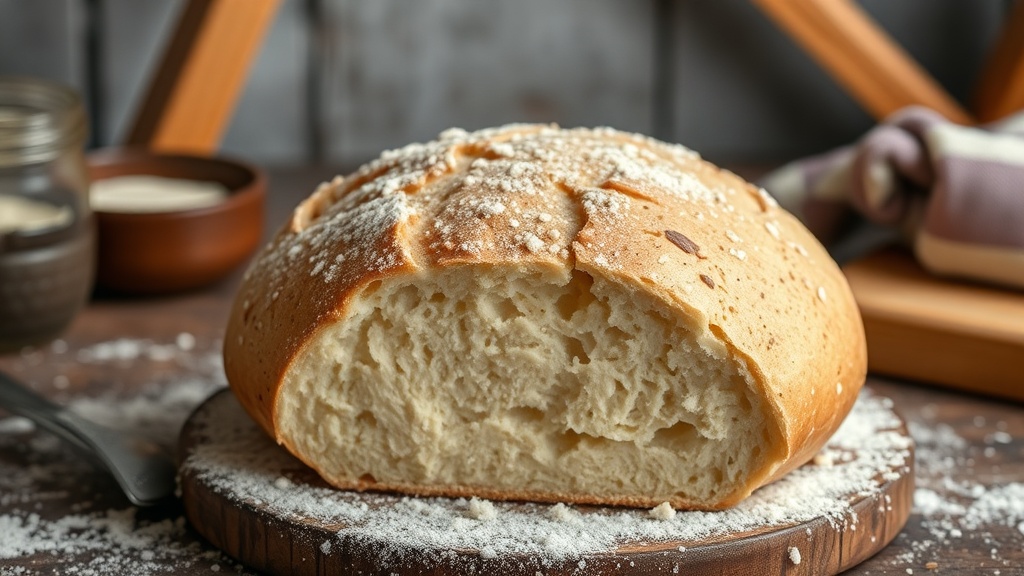
Making Perfect Homemade Sourdough Starter from Scratch

Most people believe you need a specialized laboratory or expensive "starter kits" to begin fermenting bread, but that is a complete myth. Creating a sourdough starter is actually a simple biological process of capturing wild yeast and lactic acid bacteria from your environment and flour. This guide breaks down the exact ratio-based method for building a stable, bubbly, and active starter using nothing but flour, water, and patience. You'll learn the daily feeding rhythm, how to identify signs of success, and how to troubleshoot common issues like "hooch" or inactivity.
What Ingredients Do I Need for Sourdough Starter?
You only need two high-quality ingredients: flour and water. While you can use any flour, the best results come from using unbleached organic flour or a mix of whole grain and white flour. I personally recommend using a combination of King Arthur Baking Unbleached Bread Flour and a bit of Rye flour to get things moving faster.
The water matters more than most people realize. If your tap water has a heavy scent of chlorine, it might actually inhibit the growth of the microbes you're trying to cultivate. It’s a good idea to use filtered water or let a pitcher of tap water sit out on your counter overnight to let the chlorine dissipate. (I've tried using straight tap water in the past, and it definitely slowed my fermentation down—not worth the risk.)
Here is a quick breakdown of the types of flour you might consider using:
| Flour Type | Role in Starter | Effect on Activity |
|---|---|---|
| White Bread Flour | Provides structure and easy digestion. | Steady, reliable rise. |
| Whole Wheat Flour | Adds nutrients and minerals. | Speeds up fermentation. |
| Rye Flour | High enzyme activity. | Very fast, vigorous activity. |
| All-Purpose Flour | Standard baseline. | Slower, less predictable. |
If you want to see the science behind how yeast behaves, you can check out the detailed biological breakdown on Wikipedia's sourdough page. It helps to understand that you aren't just "making" a starter; you are managing a tiny ecosystem.
How Do I Make a Sourdough Starter from Scratch?
You create a sourdough starter by mixing equal parts by weight of flour and water and feeding it once or twice a day for about 7 to 10 days. Consistency is the most important factor here. If you skip days, you're essentially starving the microbes you've worked so hard to build.
Day 1: The Beginning
In a clean glass jar, mix 50 grams of flour (I suggest a mix of bread flour and rye) with 50 grams of lukewarm water. Stir it until it looks like a thick paste. Cover the jar loosely with a cloth or a lid—don't screw it on tight, as the gases need to escape—and leave it at room temperature.
Day 2: The First Check
You likely won't see much happening yet. This is normal. Discard half of the mixture and add 50 grams of flour and 50 grams of water. This "discarding" part feels wasteful, but it's necessary to keep the acidity from getting too high.
Day 3-5: The Build-Up
By day three, you might see a few tiny bubbles. This is the fermentation process beginning to take hold. Continue the daily ritual: discard half of the jar's contents, then add 50 grams of flour and 50 grams of water. Do this every 24 hours. If your kitchen is particularly cold, you might need to do this every 12 hours to keep the momentum going.
Day 6-10: The Stabilization
The starter should start smelling more acidic—think vinegar or yogurt—rather than just "flour-y." It should also start doubling in volume within a few hours of feeding. Once it consistently doubles and shows plenty of bubbles, you're ready to bake.
It's helpful to keep a notebook of your progress. I often track the temperature of my kitchen because a 5-degree drop can change everything about how fast the starter reacts. If you're interested in more fermentation-related techniques, you might enjoy reading about 7 forgotten fermentation methods.
How Much Water Should I Use for Sourdough?
The amount of water you use depends on the ratio of flour to water, which determines the consistency of your starter. Most bakers prefer a 1:1 ratio by weight, which creates a thick, paste-like consistency that is easy to track.
If you use a volume measurement (like tablespoons or cups) instead of a scale, you'll run into trouble. Flour can be packed tightly or loosely, meaning a "cup" of flour might weigh significantly different each time you scoop it. A scale is your best friend here. A digital scale from a brand like OXO or even a basic kitchen scale from Amazon will ensure you aren't guessing. If your starter is too runny, it won't hold the air bubbles, and you won't get that beautiful bread rise.
Here is my preferred feeding schedule for a mature starter:
- The Daily Maintenance: 50g starter, 50g flour, 50g water.
- The Weekend Bake: 100g starter, 100g flour, 100g water (to build more volume).
- The Long Term Storage: If you aren't baking, keep it in the fridge and feed it once a week.
That said, if you're traveling, don't panic. You can keep your starter in the refrigerator and it will stay dormant. Just remember to bring it back to room temperature and feed it a couple of times before you try to bake with it again.
Is My Sourdough Starter Dead or Just Dormant?
A sourdough starter is usually just dormant or hungry if it isn't bubbling, rather than being actually dead. If you see a dark liquid on top, don't throw it away—that is called "hooch."
Hooch is a natural byproduct of fermentation. It's basically alcohol, and it's a signal from your starter that it has run out of food and is getting hungry. It can be clear, white, or even slightly brownish. You can either stir it back in for a more sour flavor or pour it off to keep the taste milder. The real problem is if the mixture has no smell at all or smells like rot rather than sourness. If it smells like rotting garbage or mold, then you've actually lost the battle and should start over.
To revive a sluggish starter, try these steps:
- Increase the Rye: Add a bit more whole grain flour to provide more nutrients.
- Warmth: Move it to a warmer spot, perhaps near a window or on top of the refrigerator.
- Smaller Feedings: Feed it more frequently (every 12 hours) to jumpstart the activity.
The process of building a starter is a lesson in patience. You can't rush the biology. If you try to force it with too much heat, you'll likely kill the very microbes you're trying to cultivate. Just keep feeding it, keep watching the bubbles, and eventually, you'll have a living, breathing sourdough that will produce incredible loaves for years to come.
Steps
- 1
Mix flour and water to begin the culture
- 2
Discard half and feed with fresh flour and water daily
- 3
Observe bubbles and aroma for signs of fermentation
- 4
Test readiness with the float test before baking