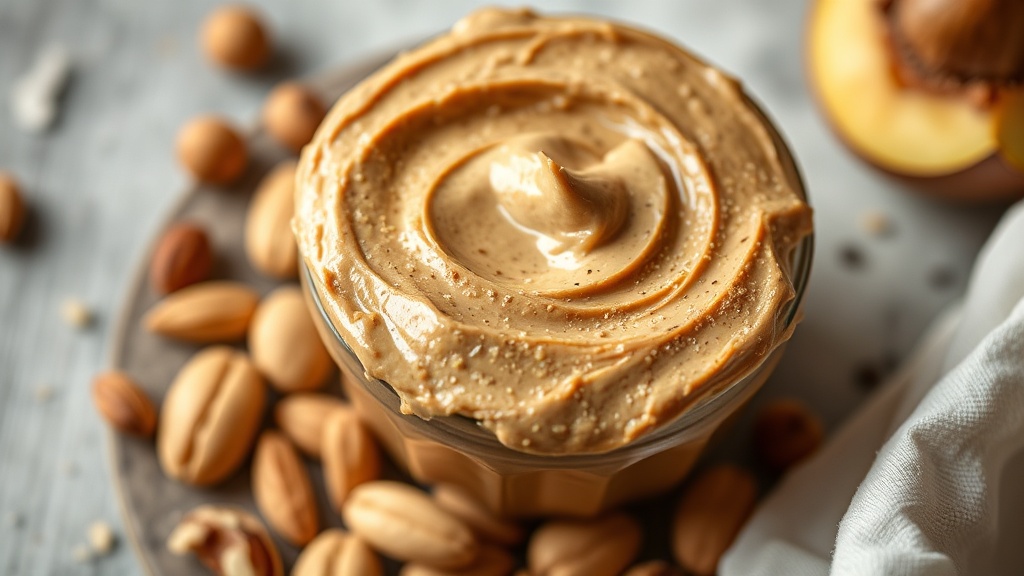
Making Velvety Smooth Homemade Nut Butters

You'll learn how to transform raw nuts into a professional-grade, velvety smooth nut butter using standard kitchen tools. This guide covers the necessary temperature controls, the specific equipment needed to avoid a gritty texture, and how to troubleshoot common issues like oil separation or sandiness. Making your own nut butter at home ensures you control the salt, sugar, and oil content—something many store-bought brands fail to do well.
What Equipment Do I Need to Make Nut Butter?
You need a high-powered blender or a dedicated food processor with a small work bowl to achieve a truly smooth texture. While a standard food processor can work, it often struggles with the high viscosity of the paste once the nuts release their oils. If you want that commercial-grade silkiness, a high-speed blender like a Vitamix or a Blendtec is your best bet.
If you don't own a high-speed blender, a heavy-duty food processor is the next best thing. You'll need to stop and scrape the sides frequently—this isn't optional. If you skip the scraping, you'll end up with uneven clumps of unblended nuts.
Here is a quick checklist of what you should have on hand:
- High-speed blender or food processor: The engine of your operation.
- Rubber spatula: For scraping the sides of the bowl.
- Digital kitchen scale: Measuring by weight is much more accurate than volume.
- Glass storage jars: To keep your finished product fresh.
Don't forget to check your equipment for any cracks or wear before you start. A heavy-duty motor is a requirement here because the friction generated by the blades can actually heat the oils in the nuts.
How Do I Make Smooth Nut Butter at Home?
The secret to smooth nut butter is roasting your nuts at a precise temperature and processing them for a longer duration than you might expect. Roasting develops the flavor and helps release the natural oils, which makes the blending process much easier.
- Roast the nuts: Spread your nuts (almonds, cashews, or peanuts) on a baking sheet. Roast them in an oven at 350°F (175°C) for about 10-15 minutes. You want them golden, not burnt.
- Initial Grind: Pulse the nuts in your processor until they reach a fine, sandy consistency. This stage takes a few minutes of patience.
- The Paste Stage: This is where most people give up. The mixture will go from crumbs to a thick, heavy paste. Keep processing.
- The Liquid Stage: As the oils release, the paste will turn into a liquid. If it's too thick, you can add a teaspoon of neutral oil (like avocado oil or grapeseed oil), but don't overdo it.
- Final Refinement: Continue blending until the texture is completely smooth. If you're using a standard food processor, this might take 5 to 10 minutes of total processing time.
I've found that if you're impatient during the "paste stage," you'll end up with a gritty, unpleasant texture. It’s tempting to add more oil to speed things up, but too much oil results in a greasy mess that doesn't hold its shape well.
For more on managing textures in your kitchen, you might find the essential knife skills every home cook should master helpful for prepping your ingredients, though the blending process is more about physics than cutting.
The texture of your nut butter depends heavily on the quality of the nuts. If you use old, stale nuts, the oils can taste rancid. I always check the FDA guidelines on food safety or similar nutritional standards to ensure I'm using high-quality, fresh ingredients.
| Nut Type | Roast Time (350°F) | Texture Difficulty | Best For |
|---|---|---|---|
| Almonds | 12-15 mins | High (can be gritty) | Smooth almond butter |
| Cashews | 10-12 mins | Low (very creamy) | Creamy spreads |
| Peanuts | 10 mins | Medium | Traditional peanut butter |
| Hazelnuts | 10-15 mins | Medium |
Why Is My Nut Butter Gritty?
Grittiness usually happens because the nuts weren't roasted long enough to release their oils or the blending time was insufficient. If the nuts haven't released enough natural oil, the friction of the blades won't be enough to create a cohesive emulsion.
Another culprit is the temperature of the nuts. If you try to blend cold nuts, the oil won't flow as easily. Roasting them is the most important step. The heat breaks down the cell walls of the nuts, allowing the oils to escape.
Sometimes, it's just a matter of time. Most people stop blending as soon as it looks like a thick paste. But the real magic happens in the final three minutes when the paste turns into a fluid. If you stop too early, you're left with a grainy texture that feels like sand in your mouth.
If you find your mixture is still too thick even after several minutes of blending, try adding a tiny amount of oil. I prefer using a high-quality oil that won't change the flavor profile—avocado oil is a great neutral choice.
Wait, a quick tip: if you're making a nut butter that's meant to be a "crunchy" version, you'll actually want to pulse the nuts briefly at the very end rather than trying to make them smooth. But for the velvety texture we're aiming for today, you must keep going until the grit disappears.
It's worth noting that even with a high-end blender, you might see a bit of separation once the jar sits in the pantry. This is perfectly normal for homemade versions because we aren't using the heavy emulsifiers found in commercial brands. Just stir it before use.
If you're looking for more ways to master textures in your cooking, you might enjoy looking into getting the best results from cast iron skillet cooking, which is all about heat management and surface contact—concepts that actually apply to how we treat our nuts in the oven too.
One final thought: if you're using a food processor, be careful not to overheat the motor. If the machine starts to smell like it's straining, stop and let it rest for a few minutes. You don't want to burn out your appliance for the sake of a jar of peanut butter.
Steps
- 1
Roast the nuts to release natural oils
- 2
Process in small batches to avoid overheating
- 3
Add a touch of oil or salt for texture and flavor
- 4
Blend until the mixture reaches a silky consistency